EN
EN
 FR
FR
 ES
ES
 PT
PT
 TL
TL
 MY
MY


اترك رسالتك
القيم الأساسية للمؤسسة
شغف، سعي، براغماتية، واعد
الرؤية المؤسسية
أن تصبح رائدا عالميا في تخزين الطاقة الذكي
المهمة المؤسسية
دع الطاقة النظيفة تدخل آلاف الأسر
Falling lithium battery prices, improving system efficiency, and rising electricity costs are making energy storage more attractive than ever. At the same time, the quality of battery cells—especially the use of A-grade LiFePO₄ cells—is becoming a critical factor in determining long-term value.
In this article, we explore why 2026 may be one of the best opportunities to invest in battery energy storage systems (BESS).
The cost of lithium battery storage has steadily declined over the past few years due to:
Increased global battery production capacity
Better manufacturing efficiency
Improved lithium iron phosphate (LiFePO₄) technology
Growing competition among battery suppliers
In 2026, the average battery pack price for energy storage systems is now commonly in the range of:
$70/kWh to $100/kWh
This price range is creating a much better entry point for:
Residential solar battery systems/Commercial energy storage projects/Backup power systems/Off-grid solar installations
This means the cost barrier that once prevented customers from adopting battery storage is becoming much lower.
What Does a Battery Price of $70/kWh–$100/kWh Mean?
For end users, falling battery prices translate directly into more affordable energy storage systems.
For example:
Battery Capacity Estimated Battery Cost Range
5 kWh $350 – $500
10 kWh $700 – $1,000
20 kWh $1,400 – $2,000
50 kWh $3,500 – $5,000
This lower pricing improves the economics of solar + storage systems and reduces payback time.
For many users, the return on investment (ROI) for battery storage is becoming much faster than in previous years.
Why Lower Battery Prices Matter for ROI
One of the biggest concerns in energy storage has always been:
“Will the system save enough money to justify the investment?”
Now that battery costs are lower, the payback period is improving.
Benefits of lower battery pricing:
Lower upfront system cost
Faster payback period
Better project margins for installers
Higher adoption rates among end users
For commercial projects, lower battery costs make applications such as:
Peak shaving
Load shifting
Backup power
far more profitable than before.
This is one reason why energy storage ROI in 2026 is significantly stronger than just a few years ago.
Not necessarily.
Many buyers focus only on price per kWh, but the real value of a battery depends on:
Battery cell quality
Cycle life、Safety、Performance consistency
A low-cost battery using poor-quality cells may fail earlier, deliver fewer cycles, and generate higher replacement costs.
That is why battery durability is just as important as battery price.
Why A-Grade Battery Cells Offer Better Long-Term Value
When evaluating lithium batteries, one of the most important quality indicators is the use of A-grade battery cells.
A-grade LiFePO₄ cells provide:
Higher consistency between cells
Better thermal stability
Longer cycle life
Lower degradation rate
Higher safety performance
This results in a more reliable energy storage system over many years of operation.
A-Grade Cells Mean Better Durability
A standard lithium battery may offer:
4,000–6,000 cycles
But a high-quality LiFePO₄ battery with A-grade cells can often deliver:
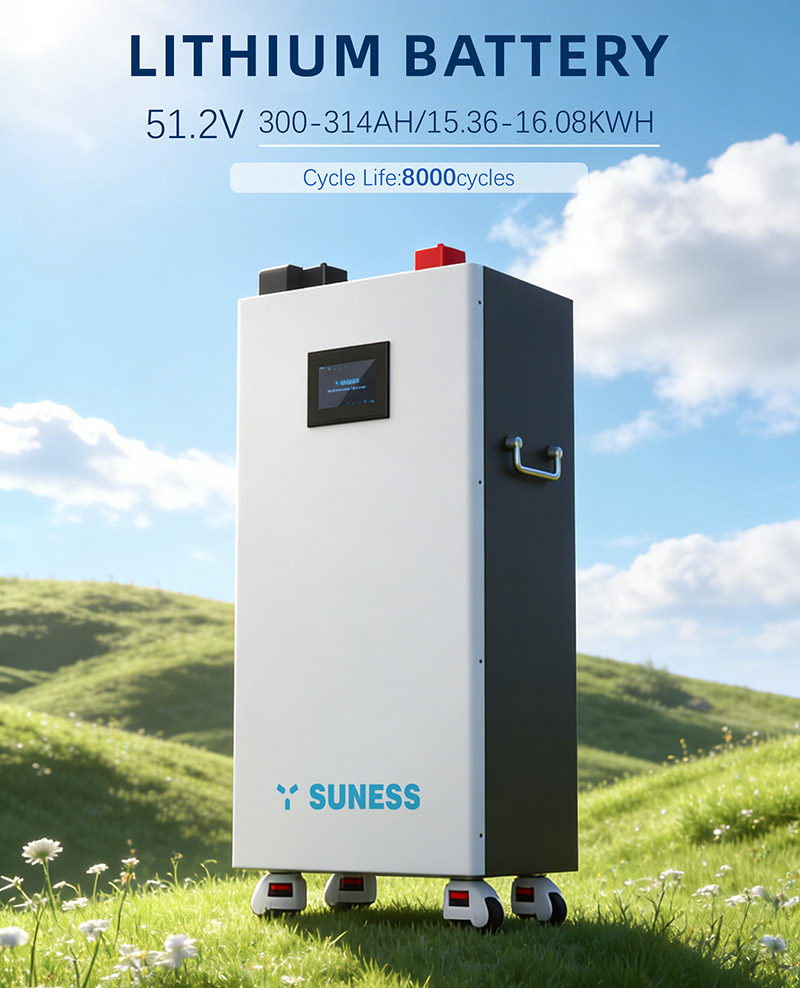
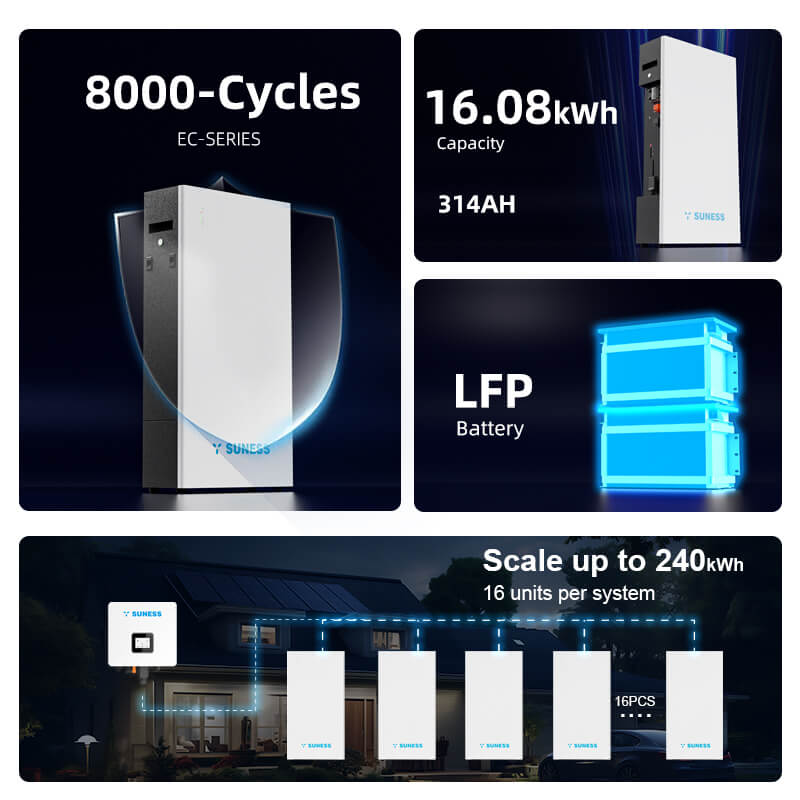
8,000+ cycles
This creates a major difference in lifespan.
Example:
Battery Quality Estimated Cycle Life
Standard Cells 4,000–6,000 cycles
A-Grade Cells 8,000+ cycles
That means an A-grade battery can operate for:
10+ years of reliable daily use
This longer lifespan dramatically improves the real value of the system.
Lower Degradation Means Higher Real Savings
Cheaper batteries often experience:
Faster capacity loss
Reduced efficiency over time
Higher maintenance risk
Better usable capacity
More stable output
Greater energy savings
This means:
A durable battery with slightly higher upfront cost often delivers a lower lifetime cost
That is the true key to profitable energy storage investment.
Battery prices are lower, but electricity costs in many regions are rising.
This creates the ideal condition for energy storage investment:
Lower system cost + Higher electricity cost = Better ROI
This is especially true in markets facing:
High electricity tariffs
Frequent outages
Diesel generator dependence
Peak demand charges
In these scenarios, solar + battery storage can deliver:
Faster payback
Improved energy security
Lower operating costs
This is why 2026 is becoming a strategic year for:
This is why 2026 is becoming a strategic year for:
Homeowners、Businesses、Installers、Energy investors
Yes—2026 is one of the strongest years yet to invest in battery storage.
Battery prices have fallen to $70/kWh–$100/kWh, making systems more affordable, while improvements in A-grade LiFePO₄ battery technology are delivering better durability and stronger long-term returns.
For buyers who choose high-quality A-grade battery systems, the combination of:
Lower battery prices
Longer cycle life、Better ROI、Higher energy security
makes energy storage investment more attractive than ever.
اترك رسالتك
القيم الأساسية للمؤسسة
شغف، سعي، براغماتية، واعد
الرؤية المؤسسية
أن تصبح رائدا عالميا في تخزين الطاقة الذكي
المهمة المؤسسية
دع الطاقة النظيفة تدخل آلاف الأسر